When a company gathers its people — for a conference, a product launch, an awards night or a client roadshow — the transport is rarely the headline. Yet it is one of the few elements that everyone experiences, and the one most likely to leave a sour impression if it goes wrong. A guest who waited forty minutes in the cold remembers that long after the keynote has faded. Good corporate event transport is the kind nobody mentions, because nothing went wrong.
Start With the Guest Journey
The most effective planning begins by mapping the day from the guest's point of view rather than the organiser's. Where do people arrive — one airport or several? How do they move between hotel, venue and dinner? What happens at the end of the night when everyone leaves at once? Sketching this journey reveals the pinch points early: the simultaneous airport arrivals, the narrow gap between sessions, the predictable crush when an evening event closes. Plan for those moments and the rest tends to look after itself.
Match the Fleet to the Format
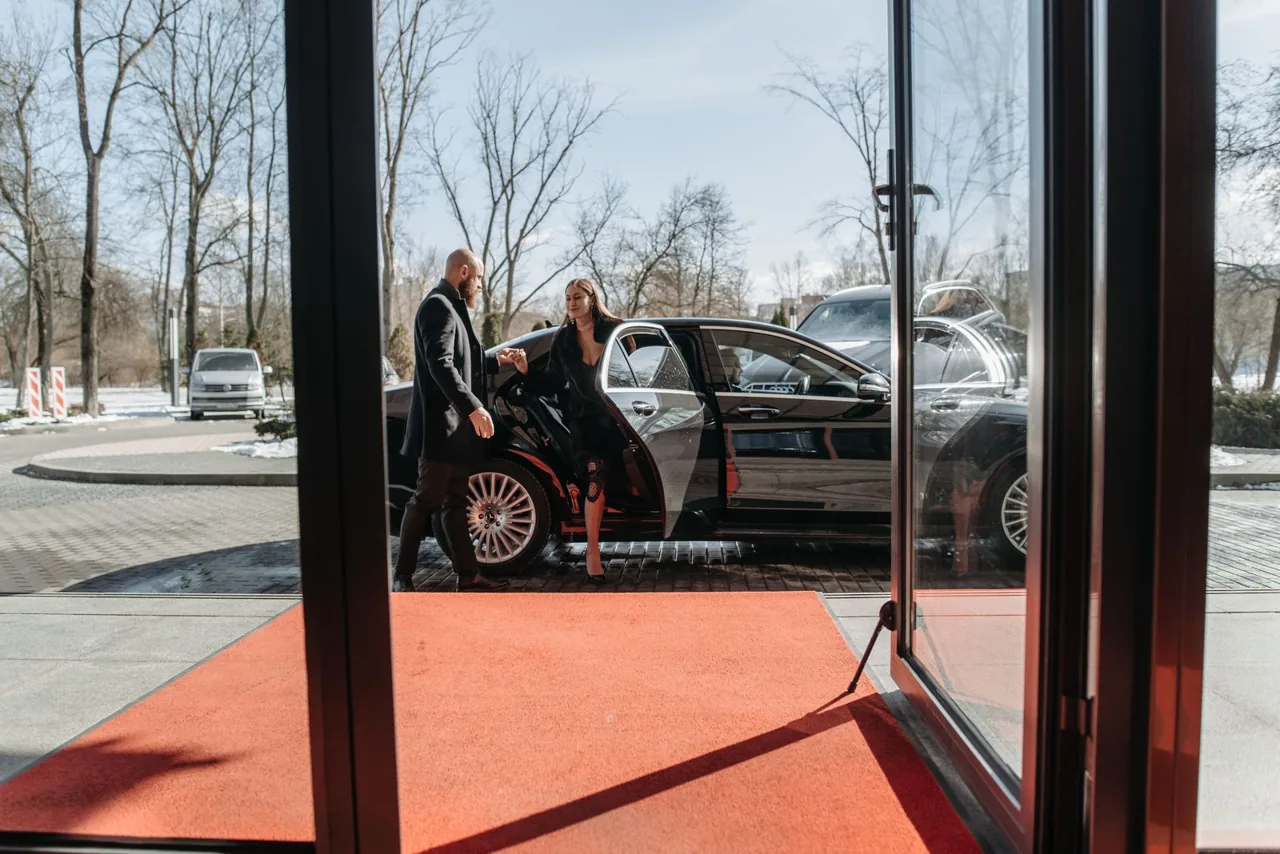
Different events call for different solutions. A small executive summit may need a handful of sedans with named drivers; a large conference is better served by a coordinated shuttle programme with clear pickup windows. VIP speakers and senior clients often warrant dedicated cars regardless of the wider plan, both for comfort and for the flexibility their schedules demand. The goal is to right-size the fleet so guests never wait unnecessarily and the organiser never pays for vehicles sitting idle.
Communication Holds It Together
Even a perfect plan unravels without clear communication. Guests should know where to go and when, ideally through a single, simple set of instructions rather than a scatter of emails. On the ground, a dedicated coordinator who can talk directly to drivers turns a static schedule into a living one, absorbing delays and last-minute changes before they reach the guests. The best events have someone whose entire job, invisibly, is to keep the cars and the people in sync.
Corporate event transport is logistics in formalwear. It demands the same rigour as any supply chain, but its success is measured in something softer — guests who arrive relaxed, on time and thinking about the event rather than how they got there. Plan it well, and the transport becomes the quiet frame around a day that feels, to everyone present, simply well run.